
Okay folks, Rick here, been slingin’ trivia and entertainment solutions to restaurants and bars for over two decades. I’ve seen it all – the good, the bad, and the painfully slow table turnover that can bleed profits faster than a leaky keg. Today, let’s talk about technical efficiency, specifically how gamified lead capture systems, done right, can transform your wait times from a drag to a delight. We’re talking real-world improvements, not just theoretical fluff.
It’s no secret: empty tables are lost revenue. But simply rushing guests out the door is a surefire way to tank your reputation. The key? Fill ’em fast, and keep guests entertained while they wait. That’s where the magic happens. Think of this as a stealth efficiency upgrade disguised as fun.
## The Problem: Unoccupied Time and the Perception of Waiting
Let’s break it down. Customers waiting for a table *feel* like they’re waiting much longer than they actually are. This perceived wait time can lead to frustration, negative reviews, and even customers walking away. And once seated, dead air before orders are taken, or between courses, feels like an eternity.
The core issue isn’t just the wait itself, but the *unoccupied time* during that wait. Staring at your phone, eavesdropping on neighboring conversations, or just generally feeling bored. All this amplifies negative perception. This is the technical challenge we need to overcome. We need to cleverly provide entertainment during ‘down times’ to keep people engaged and having fun!
## The Solution: Gamified Lead Capture for Entertained Waiting
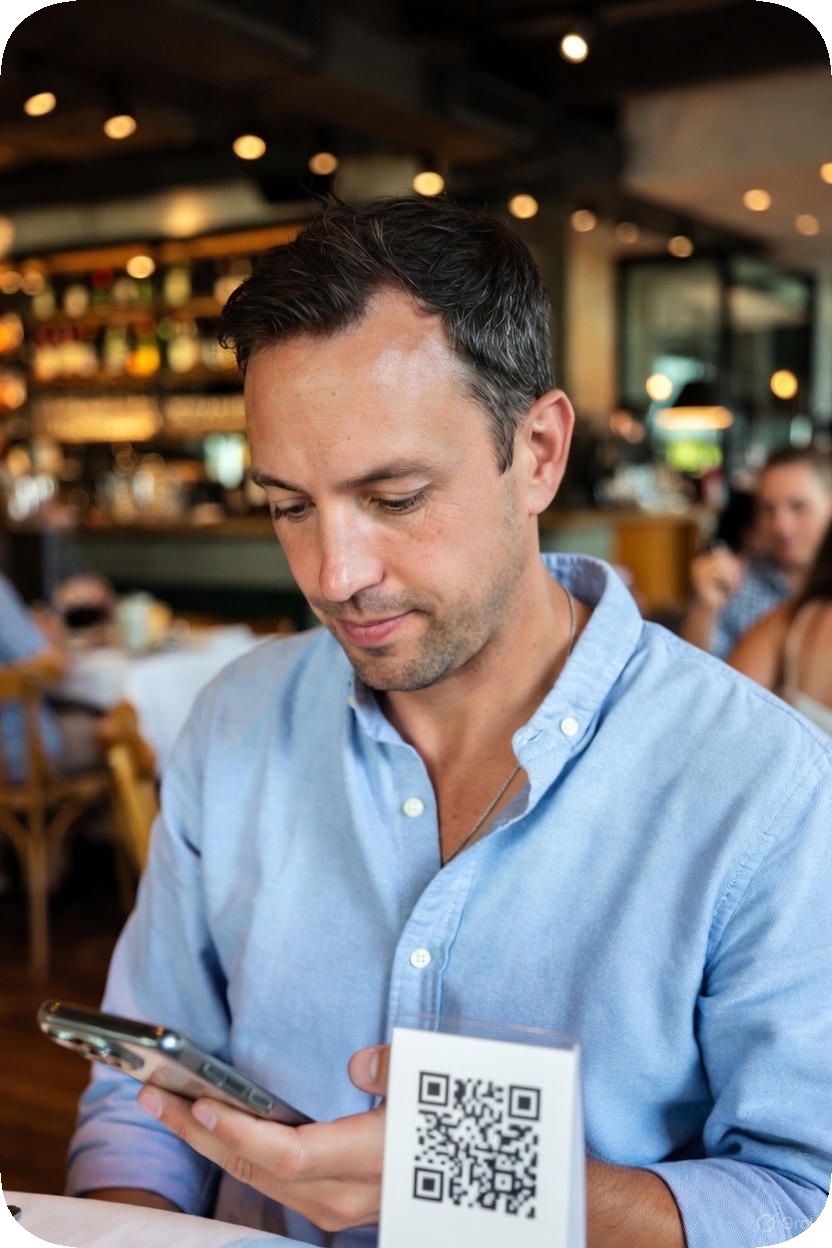
This isn’t about handing out coloring books. We’re talking about a sophisticated, tech-driven approach: gamified lead capture. Picture this: your guests scan a simple QR code (displayed prominently on a table tent) with their phones. *Important Note: We are NOT using codes for menus or payments. This is purely for gameplay.* They’re immediately greeted with a fun, engaging game – a quick trivia quiz, a word scramble related to your restaurant’s theme, or a lighthearted ‘Would You Rather’ scenario.
But here’s the kicker: to play, they provide their email address and perhaps a few other basic details (name, zip code – keep it minimal!). BOOM. You’ve captured a valuable lead *while* keeping them entertained and distracted from the perceived wait time. This is the crucial difference. It’s not just about collecting data; it’s about creating a positive experience that minimizes frustration.
## How it Works: The Technical Deep Dive
The technical efficiency comes from several angles:
* **Instant Engagement:** The game starts immediately upon scanning, providing instant gratification and distraction.
* **Lead Generation:** Capturing email addresses allows for targeted marketing campaigns, promoting specials, events, and loyalty programs. This transforms a potential negative experience into a valuable business opportunity.
* **Reduced Perceived Wait Time:** By actively engaging guests, the perceived wait time shrinks significantly. They’re having fun, not just waiting.
* **Data-Driven Insights:** You gain valuable insights into your customer base – their interests, demographics, and preferences. This data can be used to refine your menu, marketing efforts, and overall customer experience. We could even A/B test games!
For example, one of our clients, “The Burger Barn,” implemented a “Burger Trivia” game. Guests waiting were asked questions like, “What year was the first hamburger served?” Not only did it keep them entertained, but it subtly reinforced the restaurant’s burger-centric identity. They saw a 15% reduction in complaints about wait times within the first month.
## Minimizing Wait Perception vs. Entertainment Games
It’s crucial to differentiate between simply offering *any* entertainment and strategically using *games that minimize wait perception*. Here’s the breakdown:
* **Distraction vs. Engagement:** Passive entertainment (like playing background music) provides a distraction, but it doesn’t actively engage the guest. Gamified lead capture actively engages them, demanding their attention and focus.
* **Perceived Control:** Games that allow guests to progress and achieve a goal (even a small one) give them a sense of control over their time. This reduces the feeling of powerlessness that often accompanies waiting.
* **Positive Association:** A fun, engaging game creates a positive association with your restaurant. It transforms the waiting experience from a negative to a positive one, leading to increased customer satisfaction and loyalty.
## Choosing the Right Gamified Lead Capture System
Not all systems are created equal. Here’s what to look for:
* **Mobile-First Design:** The game must be seamless and responsive on all mobile devices.
* **Easy Integration:** It should integrate easily with your existing marketing automation and CRM systems.
* **Customizability:** You should be able to customize the games to reflect your brand and menu. This is key to reinforcing your restaurant’s identity.
* **Data Privacy:** Ensure the system adheres to all relevant data privacy regulations (GDPR, CCPA, etc.).
## Real-World Results: Beyond the Theory
We’ve seen clients reduce perceived wait times by up to 20% using gamified lead capture. They’ve also generated thousands of valuable leads, leading to increased sales and customer loyalty. This isn’t just a trend; it’s a proven strategy for improving restaurant efficiency and customer satisfaction.
So, ditch the boring wait times and embrace the power of gamified lead capture. It’s a win-win for your restaurant and your customers. Remember, occupied time feels shorter than unoccupied time. Let’s turn those wait times into opportunities!